Setting up a diaper changing station may seem simple, but it can make life much easier for new parents. A well-organized station saves time, reduces stress, and keeps your baby safe. Whether you have a big nursery or just a small corner, you can create a smart, efficient changing area with a few key steps.
Let’s explore everything you need to know, from choosing the right spot to stocking it with essentials and keeping it clean.
Choosing The Right Location
The first step is to pick the best place for your diaper changing station. Many parents prefer the baby’s nursery, but you can set up a station in the bathroom, living room, or even your bedroom. The most important thing is convenience.
Things to consider:
- You want a spot close to where your baby sleeps.
- Make sure there’s enough space for your supplies.
- Safety is key — avoid areas with sharp edges or risky furniture.
Some families set up a portable station for downstairs and a permanent one in the nursery. If your home has multiple floors, this can save you lots of steps each day.
Essential Items For Your Diaper Changing Station
A good station needs more than just diapers. Stocking the right supplies means you’ll never have to leave your baby unattended to grab something.
Here’s what you’ll need:
- Changing pad – Provides comfort and protects surfaces. Waterproof pads are best.
- Diapers – Keep at least 10-15 diapers ready for quick changes.
- Wipes – Use unscented wipes for sensitive skin.
- Diaper cream – Helps prevent rashes.
- Disposable bags – For dirty diapers and wipes.
- Clean clothes – Accidents happen, so extra onesies are important.
- Hand sanitizer – Useful for cleaning your hands when you can’t reach a sink.
- Burp cloths or towels – For spills or quick cleanups.
- Distraction toys – Small toys help keep your baby calm during changes.
Most parents underestimate how quickly diapers run out. A smart tip is to keep an extra pack in a nearby closet or drawer.
Credit: www.twotwentyone.net
Organizing Your Supplies
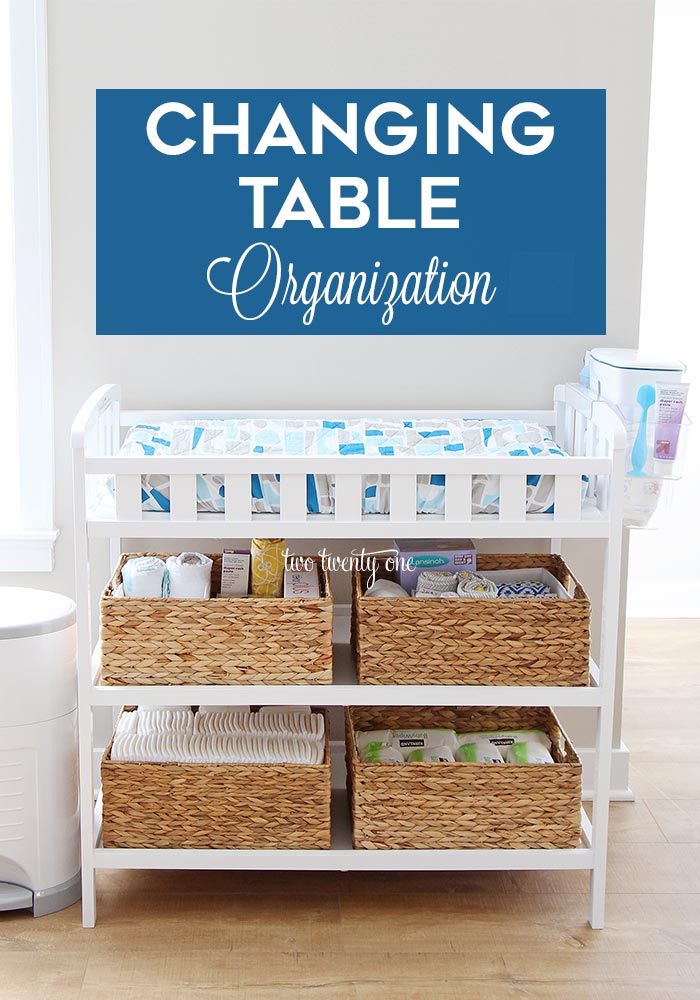
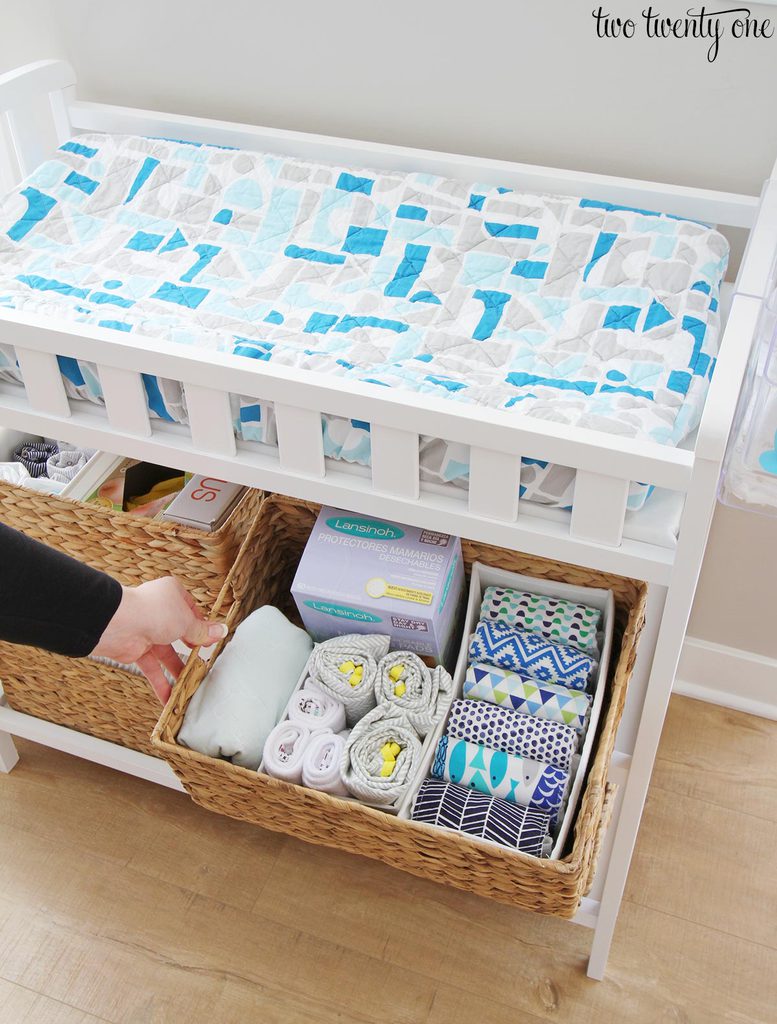
A clutter-free station makes diaper changes faster and safer. Use baskets, bins, or drawers to separate items.
Here’s a comparison of popular storage options:
| Storage Type | Pros | Cons |
|---|---|---|
| Baskets | Easy to move, cheap | Limited space |
| Drawer units | Lots of room, hides clutter | Harder to reach items quickly |
| Wall shelves | Saves floor space | Items can fall |
Try to keep everything within arm’s reach. Place diapers, wipes, and cream closest to the changing pad. Use labeled bins if you have lots of supplies.
Safety Tips For Diaper Changing Stations
Safety is the most important part of setting up your station. Babies can move quickly, so every detail matters.
- Always use a changing pad with raised sides.
- Fasten the safety strap every time, even if your baby is small.
- Keep all supplies within reach so you never leave your baby alone.
- Avoid placing the station near windows, cords, or heavy objects.
If you’re using a dresser as your changing table, make sure it’s stable and secured to the wall. More than 70% of accidents in nurseries are caused by falls or tipping furniture.
Here’s a quick safety comparison:
| Feature | Safe? | Why? |
|---|---|---|
| Raised sides | Yes | Prevents rolling off |
| Safety strap | Yes | Keeps baby secure |
| Loose supplies | No | Can cause choking |
Credit: www.twotwentyone.net
Keeping The Station Clean
Cleanliness is crucial for your baby’s health. Changing pads, surfaces, and supplies must be cleaned regularly.
- Wipe down the pad after every use.
- Wash covers and towels weekly.
- Use disinfectant wipes for baskets and drawers.
- Empty trash bins daily to avoid odors and germs.
A simple cleaning routine saves time and keeps your station safe. Some parents use washable changing pad covers — these are easy to toss in the laundry.
Making Your Station Comfortable
A comfortable station helps both you and your baby. Good lighting lets you see clearly, especially for late-night changes. Soft rugs underfoot can help tired parents stand comfortably.
Consider these comfort tips:
- Use a nightlight for gentle illumination.
- Keep a small chair nearby for feeding or soothing.
- Add a mobile or colorful pictures to distract your baby.
Many parents overlook lighting, but poor light can make changes harder and increase mistakes. Nightlights are cheap and work well for midnight diaper swaps.
Common Mistakes To Avoid
Even experienced parents can make mistakes when setting up a diaper changing station. Here are two non-obvious errors:
- Overstocking supplies – Too many items can lead to clutter and confusion. Keep only what you need for a few days.
- Ignoring ergonomics – If the station is too low or too high, it can hurt your back. Adjust the height so you don’t strain.
It’s easy to forget these details when you’re busy, but fixing them early can save you pain and frustration.
Tips For Small Spaces
You don’t need a big nursery for a great diaper changing station. Many families use portable carts, foldable pads, or even wall-mounted shelves.
Examples:
- Rolling carts with baskets for supplies.
- Fold-down changing tables attached to the wall.
- Over-the-door organizers for wipes and creams.
Statistics show that around 30% of parents now use compact stations in apartments or shared rooms. Small stations can be just as efficient as larger setups with careful planning.
Upgrading As Your Baby Grows
As your baby gets older, you may need to change your station. Toddlers move more and need bigger diapers. You might add books or toys to keep them busy.
- Switch to larger pads or mats.
- Add a step stool for older kids.
- Update supplies as your child’s needs change.
Most parents upgrade their stations at least once in the first year. Watching for signs your setup isn’t working can help you stay ahead.
Frequently Asked Questions
What Is The Best Location For A Diaper Changing Station?
The best spot is close to where your baby sleeps, like the nursery or bedroom. Choose a place that’s safe, easy to reach, and away from hazards.
How Many Diapers Should I Keep At My Station?
Keep at least 10-15 diapers ready at all times. This number covers a full day and prevents emergencies if you run out.
Can I Use A Dresser As A Changing Table?
Yes, many parents use sturdy dressers with a changing pad on top. Make sure the dresser is stable and secured to the wall for safety.
How Often Should I Clean The Changing Pad?
Clean the pad after every use with wipes or mild soap. Wash covers weekly to keep germs away.
What If I Have A Small Space?
You can use portable carts, fold-down tables, or wall shelves. Compact stations work well in apartments and shared rooms.
Setting up a diaper changing station takes a bit of planning, but it pays off every day. A safe, organized, and comfortable spot makes diaper changes easier and less stressful for both you and your baby. If you want more inspiration or ideas, you can visit Parents.com for expert tips and real-life examples. With the right setup, you’re ready for anything parenthood throws your way.

Credit: www.cuddleco.co.uk