Many parents are switching to pocket cloth diapers for their babies. These modern diapers promise less waste, more comfort, and big savings. But if you are new to cloth diapering, pocket diapers can feel confusing at first. With the right steps, you can use them easily and make diaper changes simpler for your family.
What Are Pocket Cloth Diapers?
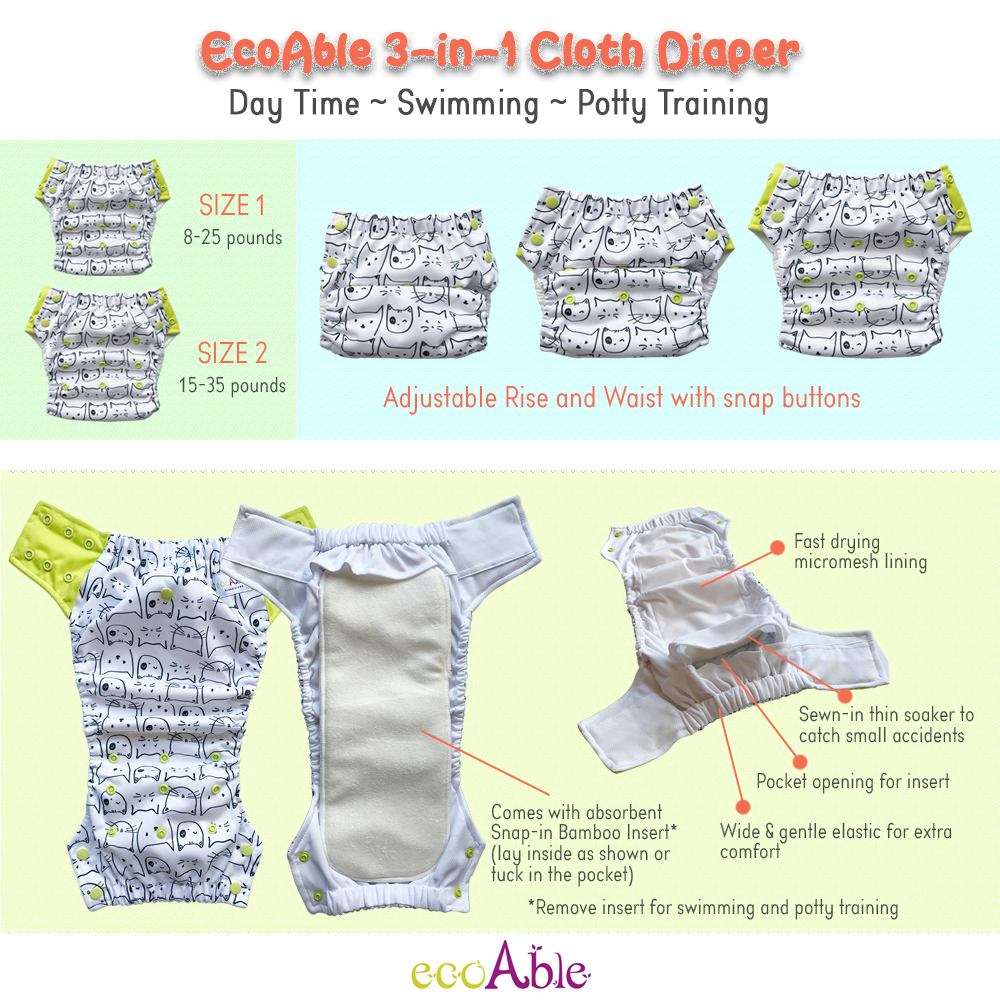
Pocket cloth diapers are reusable diapers made of two main parts. The outside is waterproof, usually made from PUL fabric. The inside is soft and absorbs moisture, often microfleece or suedecloth. There’s a pocket opening between these two layers. You put absorbent inserts inside the pocket, which soak up wetness.
Unlike traditional cloth diapers, pocket diapers are easy to put on and take off. They close with snaps or Velcro. Many brands offer adjustable sizes, so one diaper can fit your baby from birth to potty training.
Choosing The Right Inserts
Inserts are the key to pocket diaper performance. They come in different materials and thicknesses. Here’s a simple comparison:
| Insert Type | Absorbency | Drying Time | Cost |
|---|---|---|---|
| Microfiber | Moderate | Fast | Low |
| Bamboo | High | Medium | Medium |
| Cotton | Medium | Medium | Medium |
| Hemp | Very High | Slow | High |
Microfiber is popular for daytime use because it dries quickly. Bamboo and hemp are best for heavy wetters or nighttime, but they take longer to dry. Some parents layer two inserts for extra absorbency.
Credit: ecoable.net
How To Prepare Pocket Diapers
Before using pocket diapers, you need to wash them. New diapers often have factory residues, so washing removes these and helps the fabric absorb better.
- Wash diapers and inserts at least once with hot water and baby-safe detergent.
- Dry them fully. Some brands recommend air drying to protect waterproof layers.
- After washing, stuff the inserts into the pockets. Make sure the insert lies flat and covers the length of the diaper.
It’s common to prep several diapers at once. This way, you can grab a ready diaper quickly when your baby needs a change.
Putting On Pocket Cloth Diapers
Putting on a pocket diaper is simple but needs practice. Lay your baby on a clean surface. Slide the diaper under their bottom, with the pocket facing up. Fasten the snaps or Velcro at the waist and legs.
Check the fit. The diaper should be snug but not tight. You should fit one finger between the diaper and your baby’s skin. If the diaper is too loose, leaks can happen. If it’s too tight, your baby may get red marks.
Some diapers have size adjustment snaps. Use these to make the diaper smaller or bigger as your baby grows.

Credit: oliviafortheocean.com
Changing And Cleaning Pocket Diapers
Pocket diapers need changing every 2-3 hours, or sooner if your baby is a heavy wetter. Remove the diaper and take out the insert before washing. This step is important—leaving inserts inside can cause poor cleaning and odor.
For cleaning:
- Rinse diapers and inserts with cold water to remove urine and poop.
- Wash with hot water and mild detergent. Avoid bleach, fabric softeners, and oils.
- Dry inserts in a dryer for faster results. Air dry diaper shells to preserve the waterproof layer.
Here’s a quick cleaning comparison:
| Method | Pros | Cons |
|---|---|---|
| Machine Wash | Easy, saves time | May wear out diapers faster |
| Hand Wash | Gentle on fabric | Takes more effort |
| Sun Dry | Removes stains, saves energy | Weather-dependent, slower |
Common Mistakes And How To Avoid Them
Many beginners make small mistakes when using pocket cloth diapers. Here are some tips to help:
- Overstuffing: If you add too many inserts, the diaper may not fit well and could leak.
- Wrong detergent: Using regular detergent with additives can damage the diaper or cause buildup.
- Skipping pre-wash: Not rinsing diapers before the main wash can lead to smells.
- Ignoring fit: If the diaper is too loose, leaks will happen. If it’s too tight, your baby may get rashes.
- Not checking for wear: Over time, the waterproof layer can weaken. If you notice leaks, check for holes or worn spots.
One insight most beginners miss is the importance of regularly stripping diapers. Over weeks, detergent and mineral buildup can reduce absorbency. Stripping is washing diapers with hot water and no detergent to reset their performance.
Advantages Of Pocket Cloth Diapers
Pocket cloth diapers offer many benefits:
- Cost savings: Families spend less than half compared to disposable diapers.
- Less waste: Each baby uses about 6,000 disposable diapers in two years. Cloth diapers cut this waste.
- Custom absorbency: You can add more inserts for heavy wetters.
- Quick drying: Separate inserts dry faster than all-in-one diapers.
- Comfort: Soft inner layer keeps your baby dry.
How To Store Used Diapers
You need a way to store dirty diapers before washing. Most parents use a wet bag or diaper pail. Wet bags are waterproof and keep smells inside. Always remove inserts before storing. Wash every 2-3 days to avoid mold and bad odors.
Traveling With Pocket Diapers
Traveling is easier than most people think. Pack enough diapers and wet bags for the trip. If you cannot wash diapers, use disposable inserts in your pocket diapers. This keeps your routine simple and reduces packing bulk.
Comparing Pocket Diapers To Other Cloth Diapers
Pocket diapers are not the only cloth option. Here’s a comparison:
| Type | Ease of Use | Adjustability | Drying Speed |
|---|---|---|---|
| Pocket Diapers | Easy | High | Fast |
| All-in-One | Very Easy | Medium | Slow |
| Prefolds/Flats | Medium | High | Fast |
Pocket diapers are popular because they balance convenience, cost, and drying speed. They work well for busy parents and daycare situations.

Credit: www.allaboutclothdiapers.com
Frequently Asked Questions
How Many Pocket Diapers Do I Need?
Most families use 18-24 pocket diapers for a newborn. This number covers washing every 2-3 days. If your baby is older or you want to wash more often, you can use fewer.
Can Pocket Diapers Cause Diaper Rash?
Pocket diapers are safe if you change them often and use the right detergent. Diaper rash can happen if the diaper is too tight, not changed often, or detergent is harsh. Always check your baby’s skin and adjust as needed.
Are Pocket Diapers Suitable For Nighttime?
Yes, but you may need extra inserts. Use bamboo or hemp inserts for better absorbency at night. Double-stuffing with two inserts is common for heavy wetters.
How Long Do Pocket Diapers Last?
With good care, pocket diapers can last 2-3 years or longer. Avoid high heat drying, harsh chemicals, and rough washing. Some parents reuse pocket diapers for younger siblings.
Where Can I Learn More About Cloth Diaper Care?
You can find detailed guides and tips at La Leche League International. They offer advice for cloth diapering beginners and experienced users.
Pocket cloth diapers make parenting easier, save money, and help the environment. With a bit of practice, you’ll find a routine that works for you and your baby. Remember to check fit, clean regularly, and enjoy the benefits of reusable diapers.