Using a clothes drying rack is a smart way to dry laundry, save energy, and protect your clothes. Many people want to avoid using a dryer, but they worry about space, wrinkles, or drying time. The truth is, a drying rack can be easy to use—and it can even help your clothes last longer.
If you want to master drying racks, this guide will show you every step, from setup to common mistakes to avoid.
Why Choose A Clothes Drying Rack?
People use drying racks for many reasons. First, energy savings can be huge. Dryers use a lot of electricity; air-drying is free. Second, gentle drying prevents shrinking and fading, especially for delicate fabrics. Also, racks work well in small spaces and in any weather, as you can use them indoors or outdoors.
A study from the U. S. Department of Energy shows that air-drying clothes can reduce home energy use by up to 6%. This helps both your wallet and the environment.
Types Of Clothes Drying Racks
Choosing the right rack is important. Each type has special benefits.
| Type | Best For | Pros | Cons |
|---|---|---|---|
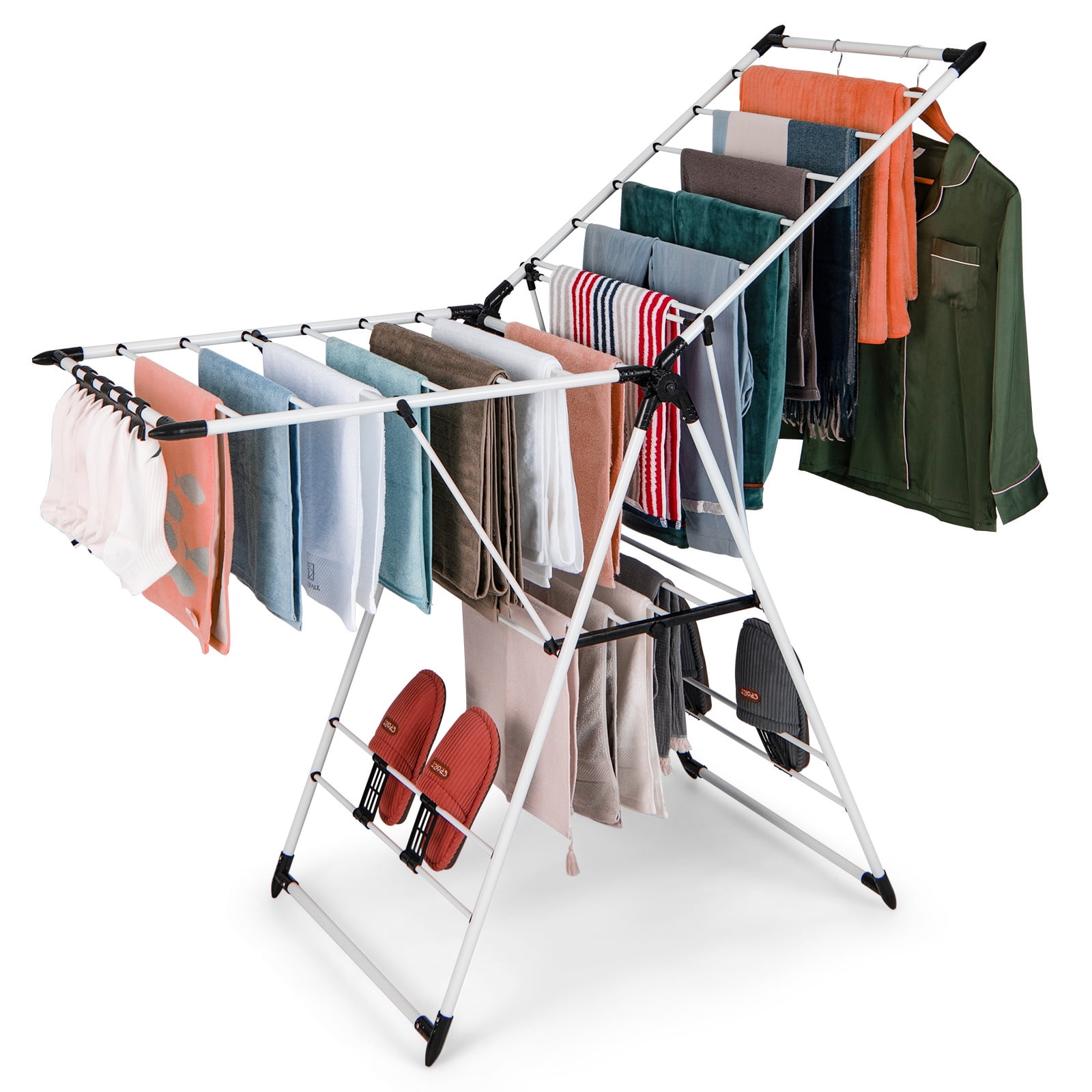
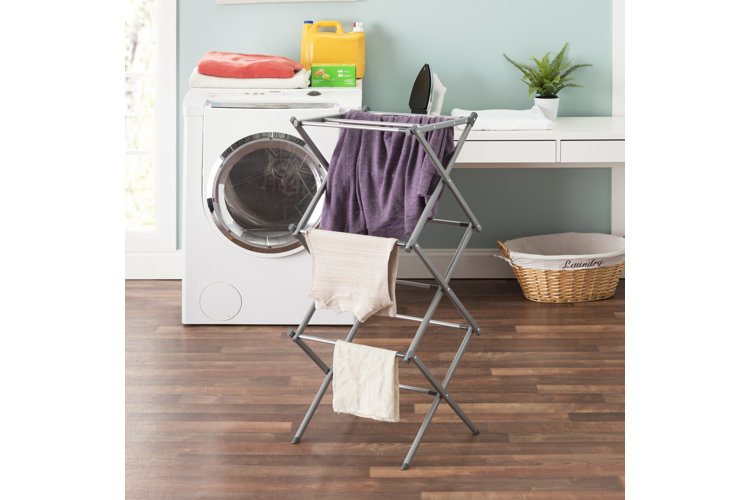
| Foldable Rack | Small homes, apartments | Easy to store, portable | Limited space |
| Wall-mounted Rack | Permanent spots | Saves floor space | Fixed position |
| Ceiling-mounted Rack | High ceilings, outdoor use | Uses unused space | Harder to install |
| Tower Rack | Families, lots of clothes | Big drying area | Bulky |
| Heated Rack | Quick drying indoors | Faster drying | Uses electricity |
Credit: www.walmart.com
Preparing Your Laundry
Before using a rack, prepare your clothes properly.
- Spin extra water out in the washer. This shortens drying time.
- Shake out wrinkles before hanging. This reduces ironing later.
- For delicate items, gently squeeze (do not wring) to avoid damage.
- Sort heavy and light fabrics. Grouping helps with even drying.
Setting Up Your Drying Rack
Place your rack in the right spot for best results.
- Indoors: Choose a room with airflow—near a window, fan, or heater.
- Outdoors: Find a sunny, breezy area. Avoid direct sunlight for bright colors (to prevent fading).
- Make sure the rack stands on a flat surface.
If you live in a humid climate, open windows or use a fan to speed up drying.

Credit: www.youtube.com
How To Hang Clothes On The Rack
The way you hang your clothes matters a lot. Here’s how to do it:
- Space out clothes. Leave gaps for air to move between items.
- Hang shirts and pants by the hems or waistbands to prevent stretching.
- Use clothespins for small items like socks or underwear.
- Drape large items (sheets, towels) over two bars, not one, to let air reach both sides.
- For sweaters, lay them flat on the rack to keep their shape.
Overcrowding the rack is a common mistake. Clothes that touch take much longer to dry and may smell musty.
Drying Different Types Of Clothes
Some fabrics need special care. Here’s a quick reference:
| Fabric Type | Hanging Method | Tips |
|---|---|---|
| Cotton | Hang or drape | Shake out wrinkles first |
| Wool | Lay flat | Keep away from direct heat |
| Synthetics (polyester, nylon) | Hang | Dries quickly, avoid sun for colors |
| Delicates (silk, lace) | Lay flat | Use a towel under to absorb water |
Speeding Up The Drying Process
Sometimes you need your laundry dry fast. Try these tips:
- Increase air flow. Place a fan nearby, or open windows.
- Use a dehumidifier in very humid rooms.
- Flip clothes halfway through drying for even results.
- For thick items, roll in a towel and press to remove extra water before hanging.
A heated drying rack can also help in winter or rainy seasons, but remember it uses electricity.
Practical Tips For Best Results
- Clean your rack regularly to prevent dust and mildew.
- Hang clothes as soon as the wash ends. Leaving wet clothes in the washer makes them smell bad.
- Never stack wet clothes. They will not dry well and can grow mold.
- For white clothes, sunlight can help keep them bright.
Many people forget that air drying can make clothes feel a bit stiff. Shake them out or use your hands to soften them before folding.
Common Mistakes To Avoid
Even experienced users make errors. Watch out for these:
- Hanging clothes too close together: This traps moisture and slows drying.
- Ignoring fabric care labels: Some items should not be hung, like heavy knit sweaters.
- Drying all clothes outside in strong sun: Colors can fade quickly.
- Not checking weather forecasts: Outdoor drying is risky if rain is expected.
- Overloading the rack: It’s better to dry in batches than to crowd everything at once.
Storage And Maintenance
After use, fold and store your rack in a dry place. Wipe metal parts to prevent rust. For wooden racks, let them dry fully before storing to avoid warping. If your rack is wall-mounted, check screws or hooks every few months for safety.
Credit: www.wayfair.com
Environmental And Cost Benefits
Air drying your clothes has a real impact. The average clothes dryer uses about 900 kWh per year. If you air-dry just half your laundry, you could save up to $100 a year and reduce carbon emissions. Plus, your clothes will stay in good condition longer, so you buy less often.
For more detailed information about energy savings, you can visit the U.S. Department of Energy.
Frequently Asked Questions
How Long Does It Take For Clothes To Dry On A Rack?
Drying time depends on fabric, room temperature, and airflow. Light clothes may dry in 4–6 hours. Heavy items can take up to 24 hours, especially in humid weather.
Can I Use A Drying Rack For All Types Of Clothes?
Most clothes are safe to dry on a rack. Always check the care label. Lay flat delicate or heavy knits to prevent stretching.
Will Clothes Smell Musty If Air-dried Indoors?
Clothes can smell musty if there’s not enough airflow. Use a fan, open windows, and avoid crowding clothes to keep them fresh.
How Do I Prevent Wrinkles On A Drying Rack?
Shake out each item before hanging. Hang shirts by the hem, not the shoulders, to reduce marks. Fold or iron clothes as soon as they are dry.
What’s The Best Way To Store A Drying Rack?
Let the rack dry completely, then fold and keep it in a dry spot. For wall-mounted models, check for rust or loose parts often.
Using a clothes drying rack might seem old-fashioned, but it’s an effective, eco-friendly choice that’s easy to master. With the right setup and a few simple habits, you’ll enjoy fresh, long-lasting clothes—and save money too.